







 Marcel Man
 Jan 25, 2026
 22 mins to read
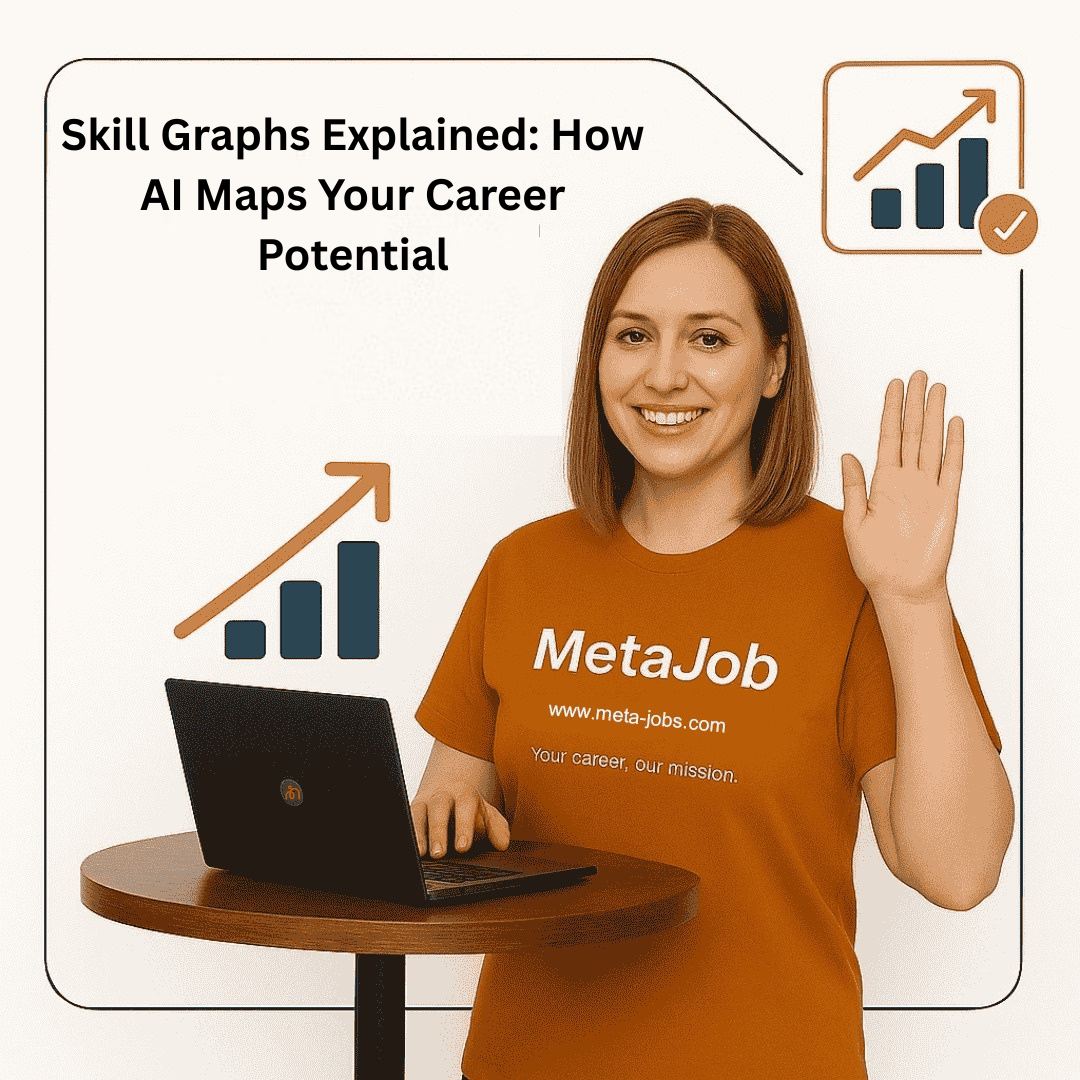
The way careers grow in 2026 looks nothing like it did a decade ago. Job titles are evolving faster than ever, skills are becoming transferable across industries, and traditional CVs struggle to show a person’s real potential. This is where Skill Graph technology is changing the rules. Instead of focusing on static job history, AI-driven job platforms now map skills dynamically, revealing how expe
The way careers grow in 2026 looks nothing like it did a decade ago. Job titles are evolving faster than ever, skills are becoming transferable across industries, and traditional CVs struggle to show a person’s real potential. This is where Skill Graph technology is changing the rules. Instead of focusing on static job history, AI-driven job platforms now map skills dynamically, revealing how experience, learning, and potential connect across roles.
Skill Graphs are not just another HR trend. They are the backbone of modern AI job search platforms, helping candidates discover opportunities they would never have searched for manually while helping employers see value beyond job titles.
A Skill Graph is an AI-powered system that organizes skills as interconnected data points rather than isolated keywords. Instead of treating “Python,” “Data Analysis,” or “Project Management” as separate items, the graph understands how skills relate, overlap, and evolve together.
For example, a candidate with experience in digital marketing may not realize their skill set overlaps heavily with growth marketing, SEO strategy, data analytics, or product marketing. A Skill Graph identifies these connections automatically, even when the candidate has never held those exact job titles.
Unlike traditional databases, Skill Graphs continuously learn. As new roles emerge and industries shift, the graph updates itself using real hiring data, job performance metrics, and market demand.
When you create a profile on an AI job search platform, the system analyzes far more than your CV text. It evaluates experience descriptions, certifications, tools used, industries worked in, and even learning patterns. AI then maps these data points into a structured skill network.
Instead of ranking you against a single job description, the platform positions you inside a broader career landscape. This allows the system to identify adjacent roles, future-ready positions, and skill gaps that are realistically achievable rather than generic recommendations.
The result is a living career map, not a static resume.
Traditional job boards rely heavily on keyword matching. If your CV does not contain the exact wording used in a job post, you are often filtered out before a human ever sees your application. This approach disadvantages career switchers, self-taught professionals, and anyone with non-linear experience.
Skill Graphs move beyond keyword dependency by understanding meaning and context. They recognize that “customer success management” and “client retention strategy” are closely related, even if the wording is different. This semantic understanding allows AI to surface better matches for both candidates and employers.
For job seekers, this means fewer rejected applications and more relevant opportunities. For recruiters, it means discovering qualified talent that would otherwise be invisible.
One of the most powerful features of Skill Graph technology is its ability to predict career growth paths. By analyzing millions of anonymized career transitions, AI can see which skills commonly lead to higher-paying roles, leadership positions, or emerging industries.
Instead of guessing your next move, the system shows realistic pathways based on real data. A junior software developer may discover strong alignment with DevOps roles, cloud engineering, or AI infrastructure, even without direct experience yet.
This predictive insight allows professionals to upskill strategically instead of randomly chasing trends.
Most professionals know they need to learn new skills but are unsure where to start. Skill Graphs remove this uncertainty by identifying precise gaps between your current skill set and your desired roles.
Rather than vague advice, AI highlights specific competencies that have the highest impact on employability. This makes learning more efficient and career progression more intentional.
For employers, this same analysis helps identify internal talent ready for reskilling or promotion, reducing hiring costs and improving retention.
While Skill Graphs empower candidates, they also transform hiring from the employer side. Recruiters gain a clearer view of candidate potential rather than relying solely on job titles or years of experience.
AI-driven platforms can rank candidates based on skill proximity, adaptability, and learning capacity. This is especially valuable in fast-changing fields where exact experience is rare but transferable skills matter more.
Hiring decisions become more data-driven, fair, and future-focused.
Skill Graphs are the engine behind intelligent job matching. When an AI job platform recommends a role, it is not guessing. It is calculating alignment across thousands of skill connections, career trajectories, and success patterns.
This leads to better matches, higher interview rates, and improved long-term job satisfaction. Candidates are no longer pushed into roles they are technically qualified for but professionally misaligned with.
In 2026, job matching is about fit, growth, and sustainability, not just meeting minimum requirements.
Skill Graphs are not replacing CVs entirely, but they are redefining their role. The CV becomes a data input rather than the final decision-making tool. AI reads between the lines, extracting value that traditional screening methods miss.
This shift levels the playing field for professionals from diverse backgrounds, career changers, and self-made learners who may not follow conventional career paths.
As automation reshapes industries, adaptability becomes more valuable than static experience. Skill Graphs reflect this reality by focusing on what people can do, learn, and grow into rather than where they have been.
They support a more flexible labor market where talent flows across roles, industries, and borders. For job seekers, this means more opportunities. For employers, it means access to resilient, future-ready talent.
Skill Graph technology represents one of the most important shifts in modern recruitment. By mapping skills dynamically and intelligently, AI job platforms are helping people discover career paths they never considered and helping companies hire beyond outdated filters.