






 Marcel Man
 Jan 30, 2026
 23 mins to read
Career paths are no longer linear. In 2026, very few professionals follow a straight line from entry-level roles to leadership positions. Industries evolve too fast, job titles change too often, and new skills emerge every year. Traditional career planning methods, which rely on fixed ladders and outdated assumptions, struggle to keep up. This is where AI-powered career path planning is redefining
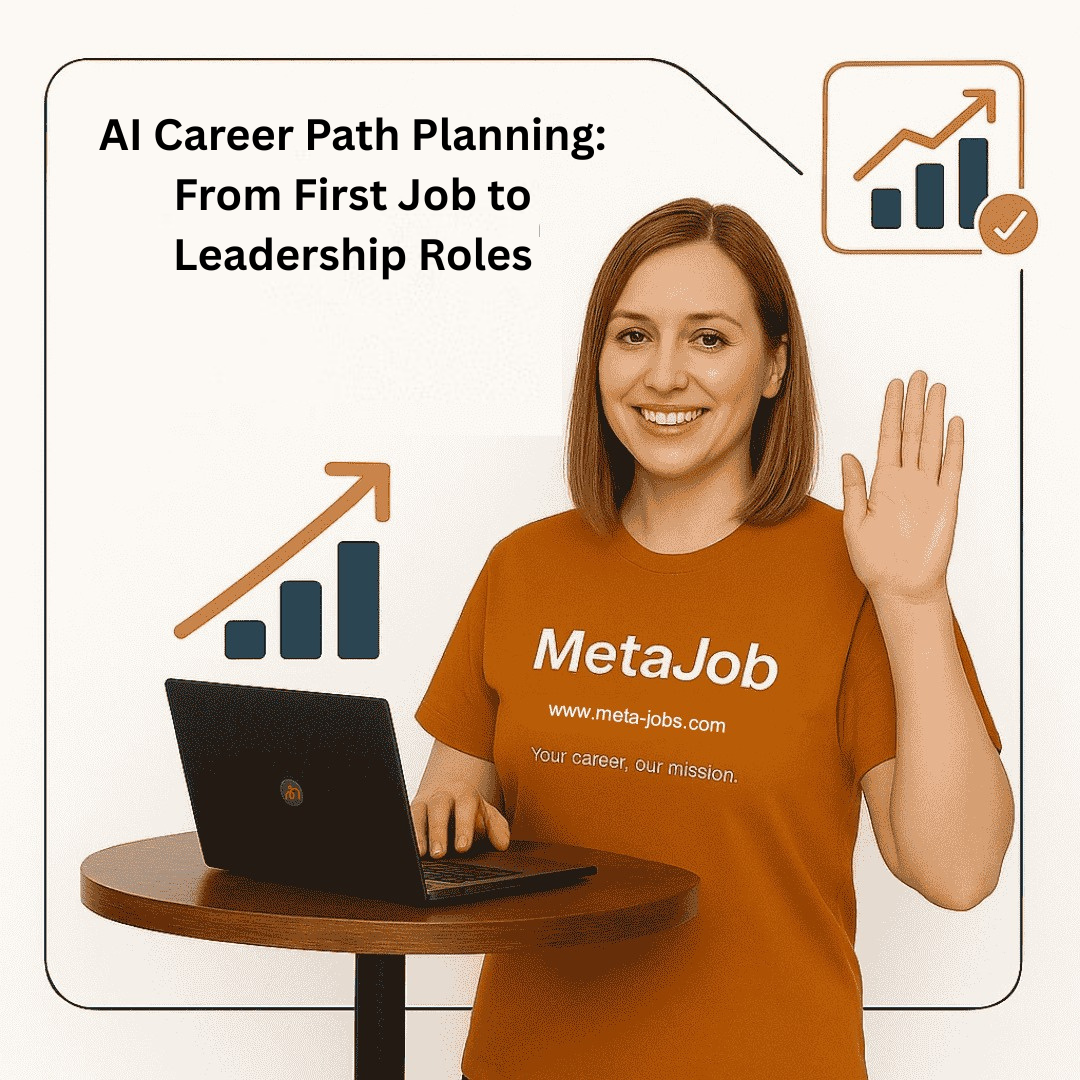
Career paths are no longer linear. In 2026, very few professionals follow a straight line from entry-level roles to leadership positions. Industries evolve too fast, job titles change too often, and new skills emerge every year. Traditional career planning methods, which rely on fixed ladders and outdated assumptions, struggle to keep up. This is where AI-powered career path planning is redefining how people grow from their first job into leadership roles.
Instead of guessing the next step, AI analyzes real career data, skill progression, and market demand to create personalized, realistic career roadmaps that evolve as you do.
For decades, career advice followed a predictable formula: gain experience, get promoted, and move up the hierarchy. But modern careers rarely follow this pattern. Professionals switch industries, roles blend together, and leadership often requires cross-functional experience rather than seniority alone.
Static career plans fail because they assume the future will look like the past. AI-driven platforms solve this by continuously adapting to labor market changes, emerging roles, and evolving skill requirements.
Career planning is no longer about choosing a single destination. It’s about navigating a dynamic landscape with informed guidance.
AI career path planning begins by deeply understanding where you are today. This includes more than job titles or years of experience. AI evaluates skills, tools, projects, industries, learning history, and even the pace at which you acquire new competencies.
A graduate entering the workforce and a professional switching careers may appear similar on paper, but AI recognizes differences in potential, adaptability, and transferable skills. This creates a more accurate baseline for career recommendations.
Instead of labeling candidates as “junior” or “senior,” AI positions them within a broader skill ecosystem.
One of AI’s greatest strengths is its access to large-scale career data. By analyzing millions of anonymized career journeys, AI identifies common and successful progression patterns across industries.
This allows the system to answer questions humans struggle with. What roles typically follow an entry-level analyst position? Which skills increase promotion speed? How long does it realistically take to move into leadership?
Rather than offering generic advice, AI provides data-backed pathways that reflect real-world outcomes, not idealized career ladders.
The first stage of AI career planning focuses on building strong foundational skills. AI identifies which early-career roles maximize learning, exposure, and long-term flexibility rather than short-term job titles.
Instead of pushing candidates toward narrow specialization too early, AI encourages skill expansion that keeps future options open. This might include recommending roles that combine technical, analytical, and communication skills, even if they are not the highest-paying positions initially.
This approach creates stronger long-term career momentum.
Leadership is not defined by job titles alone. AI recognizes leadership potential through patterns such as initiative, cross-functional collaboration, mentoring activity, and responsibility growth.
By detecting these signals early, AI platforms can guide professionals toward opportunities that develop leadership skills long before formal management roles appear. This may include project ownership, team coordination, or strategic decision-making exposure.
AI helps professionals prepare for leadership roles instead of reacting to them later.
Moving into leadership often fails not because of lack of ambition, but because of unaddressed skill gaps. AI career planning identifies these gaps with precision.
Instead of vague recommendations like “improve communication” or “develop leadership skills,” AI highlights specific competencies tied to leadership success in your industry. This may include stakeholder management, decision-making under uncertainty, or data-driven strategy.
By focusing on high-impact skills, professionals can progress faster and with greater confidence.
One of the biggest advantages of AI career path planning is its ability to support transitions without forcing professionals to restart at the bottom. AI identifies transferable skills that allow movement into leadership roles across functions or industries.
For example, a senior individual contributor may transition into management, consulting, or operations leadership without abandoning their existing expertise. AI maps these transitions realistically, showing which roles serve as bridges rather than dead ends.
This makes career growth more flexible and less risky.
Traditional career counseling often ends after a single session. AI career planning is continuous. As you gain new skills, complete projects, or change roles, the system updates your career map automatically.
This real-time adaptability ensures that recommendations remain relevant even as industries shift or new opportunities emerge. Career planning becomes an ongoing process rather than a one-time decision.
In a fast-changing job market, this adaptability is essential.
AI career path planning does not only benefit individuals. Employers gain visibility into internal talent potential, helping them identify future leaders early and invest in targeted development.
This reduces turnover, improves succession planning, and creates more resilient teams. Instead of hiring leadership externally, companies can grow it internally using data-backed insights.
The result is stronger alignment between employee growth and organizational strategy.
In 2026, leadership is less about hierarchy and more about influence, adaptability, and strategic thinking. AI career path planning supports this shift by focusing on skills and potential rather than tenure.
Professionals gain clarity, direction, and confidence in their career decisions. Employers gain access to leadership pipelines built on data rather than assumptions.
AI does not replace ambition or effort. It simply provides a smarter map.
AI career path planning transforms career growth from guesswork into strategy. By guiding professionals from their first job through skill expansion, leadership readiness, and long-term success, AI creates career journeys that are flexible, realistic, and future-proof.
In a world where careers are constantly evolving, having intelligent guidance is no longer optional. It’s essential.